TSUKUBA, Japan, May 20, 2026 - (ACN Newswire) - The buildup of a protein called 𝛂-synuclein (ASN) into toxic clumps is a hallmark of synucleinopathies, a group of neurodegenerative diseases that includes Parkinson’s and multiple system atrophy (MSA).
These aggregates are associated with cellular dysfunction and lead to progressive neuronal loss. Because current treatments only manage symptoms rather than stopping the underlying protein clumping, scientists are exploring new strategies, including nanomaterials that can prevent these aggregates from forming or help clear them from the brain.
A multinational research team led by Professor Małgorzata Kujawska at the Poznań University of Medical Sciences in Poznań, Poland, has found that graphene quantum dots (GQDs)—nanoscale carbon particles—can counteract this clumping process.
In a study published in the journal Science and Technology of Advanced Materials (STAM), the researchers detailed how these dots interact with ASN to prevent it from forming the long, toxic fibers that characterize the disease.
“This study points to a promising new direction for strategies against neurodegenerative diseases,” says Professor Kujawska. “While clinical use of GQDs remains a long way off, these findings strengthen the case for further research.”
The study used a multi-stage approach, testing the GQDs in cell-free environments, neuronal cultures, and animal models of MSA. The researchers found that when GQDs were administered intranasally in mice, the particles significantly reduced the presence of toxic protein aggregates. Furthermore, the treatment appeared to activate autophagy, a biological recycling process that helps cells break down and remove damaged proteins.
At concentrations relevant to its biological effects, the GQD showed a favorable safety profile, although some changes in cellular stress and immune responses were observed at higher doses. This is an important consideration, as many nanomaterials face hurdles in medical applications due to concerns over long-term biocompatibility.
While the results are promising, challenges remain, such as preventing quantum dots from clumping in liquid suspensions. “GQDs may serve as a useful research tool,” says Professor Kujawska. “What we learn as we optimize their properties and conduct a comprehensive safety evaluation could help design more effective nanomaterial-based strategies not just for synucleinopathies, but also for other conditions characterized by the buildup of toxic proteins.”
Further information
Małgorzata Kujawska
Poznań University of Medical Sciences
kujawska@ump.edu.pl
Paper: https://www.tandfonline.com/doi/full/10.1080/14686996.2026.2662693
About Science and Technology of Advanced Materials (STAM)
Open access journal STAM publishes outstanding research articles across all aspects of materials science, including functional and structural materials, theoretical analyses, and properties of materials. https://www.tandfonline.com/STAM
Dr. Kazuya Saito
STAM Publishing Director
SAITO.Kazuya@nims.go.jp
Image:
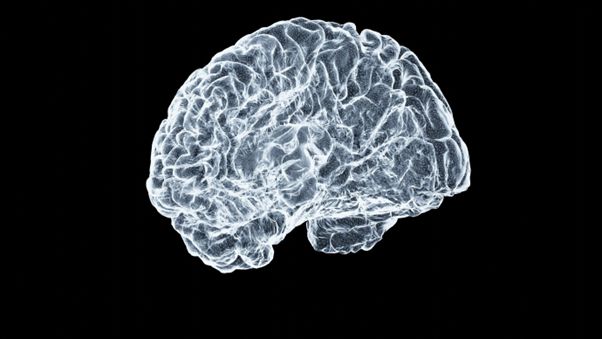
Caption: Nanoscale carbon particles offer a new insight into possible therapies for neurodegenerative diseases, including Parkinson’s and multiple system atrophy.
Press release distributed by Asia Research News for Science and Technology of Advanced Materials.